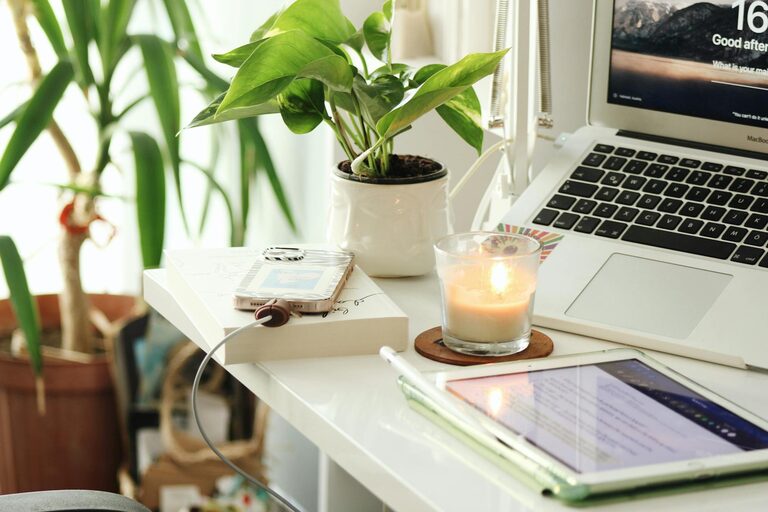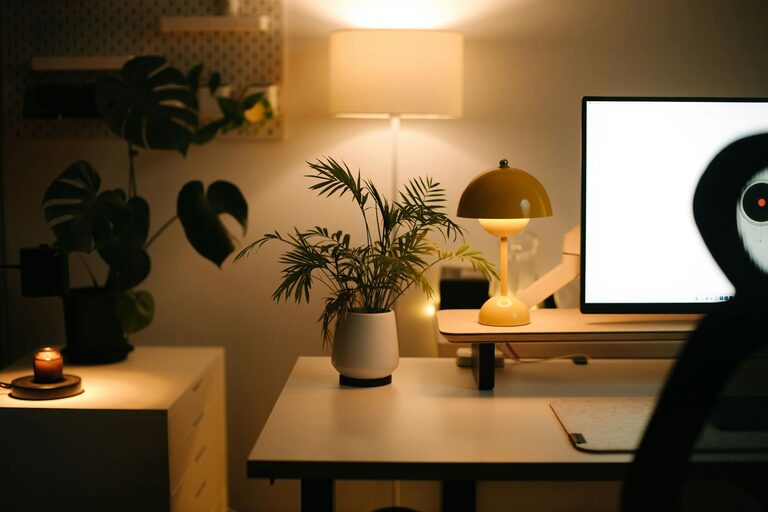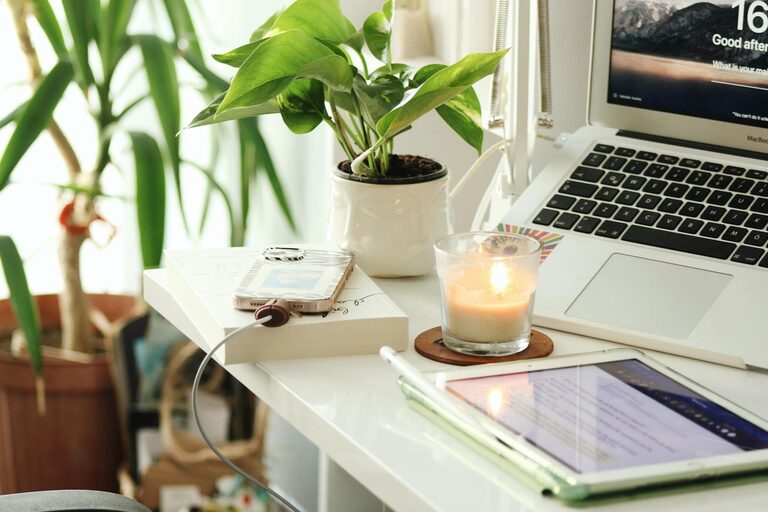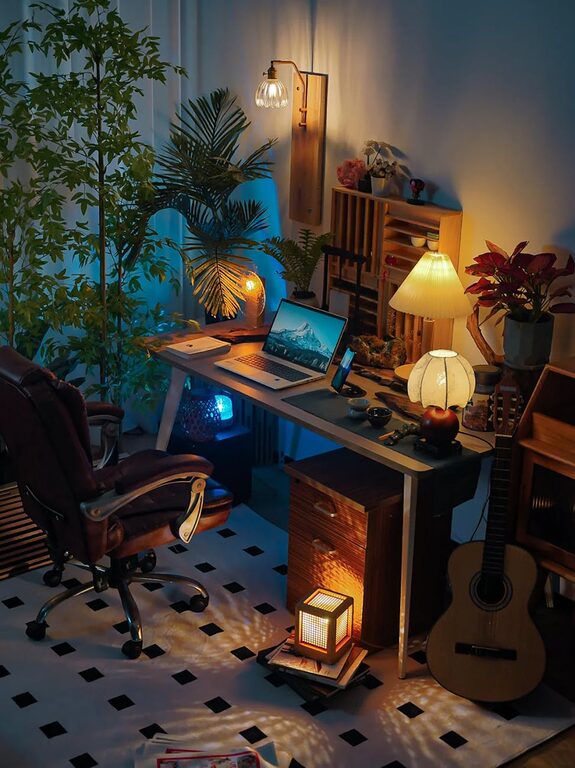







Working from home has become increasingly common, and creating a productive home office environment is essential for success. A well-designed space can help you focus, reduce distractions, and maintain a healthy work-life balance. Whether you’re new to remote work or looking to improve your current setup, these tips will guide you in creating an efficient and comfortable home office.
Choose the Right Location
Selecting the ideal spot for your home office is the first step. Here are some factors to consider:
– Quiet area: Opt for a space away from household noise, such as living rooms or busy kitchens.
– Natural light: Position your desk near a window to take advantage of daylight, which can improve mood and energy levels.
– Privacy: If possible, select a room with a door to separate work from the rest of your home.
Invest in Comfortable and Functional Furniture
Comfort plays a big role in your productivity. Here’s what to keep in mind:
– Ergonomic chair: Choose a chair that supports your lower back and encourages good posture.
– Desk size and height: Make sure your desk fits your equipment and allows you to sit comfortably.
– Adjustable options: Consider sit-stand desks if you want to alternate between sitting and standing during the day.
Minimize Clutter and Organize Your Space
A clean and organized workspace helps you focus better. Try these tips:
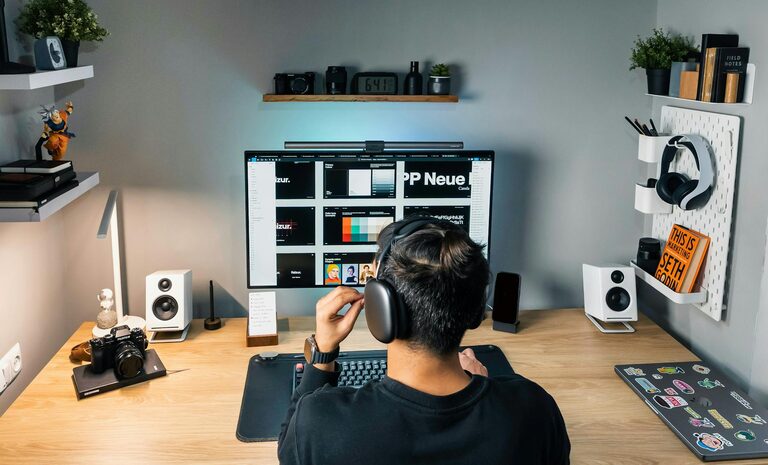
– Use storage solutions: Shelves, drawers, and organizers keep supplies tidy and accessible.
– Keep only essentials on the desk: Limit items to things you use daily to avoid distractions.
– Daily tidying routine: Spend a few minutes at the end of each day to clear your desk and prepare for tomorrow.
Manage Lighting Effectively
Proper lighting reduces eye strain and maintains alertness. Consider the following:
– Natural lighting: Maximize daylight but avoid glare on your screen.
– Task lighting: Use a desk lamp with adjustable brightness for focused work.
– Ambient lighting: Soft overhead lights can reduce contrast and create a comfortable atmosphere.
Set Boundaries to Avoid Distractions
Maintaining focus is often challenging at home. These strategies help:
– Establish clear work hours: Communicate your schedule with family or roommates.
– Use noise-cancelling headphones: Block out background noise when necessary.
– Limit non-work activities: Keep personal tasks and entertainment away from your workspace during work hours.
Personalize Your Workspace
Adding personal touches can motivate you but avoid overdoing it:
– Inspiring décor: Use artwork, plants, or photos that make you feel positive.
– Comfort items: Include a cozy blanket or a small cushion for comfort.
– Color choices: Select colors that energize you or promote calmness, depending on your preference.
Ensure Reliable Technology and Connectivity
A smooth workflow depends on dependable equipment:
– High-speed internet: Make sure your connection is stable and fast.
– Essential accessories: Invest in good-quality headphones, keyboard, mouse, and monitor if needed.
– Backup plan: Have a backup device or alternative internet method to avoid disruptions.
Incorporate Breaks and Movement
Physical activity helps maintain energy and prevents burnout:
– Scheduled breaks: Use techniques like the Pomodoro method to work in focused intervals followed by short rests.
– Move around: Stretch, walk, or do simple exercises to reduce stiffness and boost circulation.
– Separate lunch area: Avoid eating at your desk to create a mental break.
Maintain Good Air Quality and Temperature
Comfortable air and temperature levels influence concentration:
– Ventilation: Open windows regularly to let fresh air in.
– Air purifier: Consider using one if air quality is poor.
– Temperature control: Use fans, heaters, or adjust thermostat settings to keep the space comfortable.
Review and Adjust Regularly
Your needs may change over time, so it’s good to reassess your setup:
– Ask for feedback: If you share your space, get input on any needed improvements.
– Stay flexible: Don’t hesitate to rearrange or upgrade furniture and tools as necessary.
– Track productivity: Notice what works best and make changes accordingly.
—
By thoughtfully designing your home office, you create an environment that supports your work and well-being. Implementing these tips can lead to greater focus, efficiency, and satisfaction in your daily routines. Happy working!